 Winery DTC Sprint
The wine industry split in two.Your website decides which side you're on.
Top-quartile wineries grew 8% last year. The bottom quartile shrank 10.2% in the same market (SVB 2026). The difference is not the wine. It's the site, the store, the club, and whether anyone hears from you between visits.
Free, and no call required. Send your site, get a written breakdown of what I'd fix first in 3 business days.
- 16 yearsbuilding for wine, luxury hospitality, entertainment, and wellness
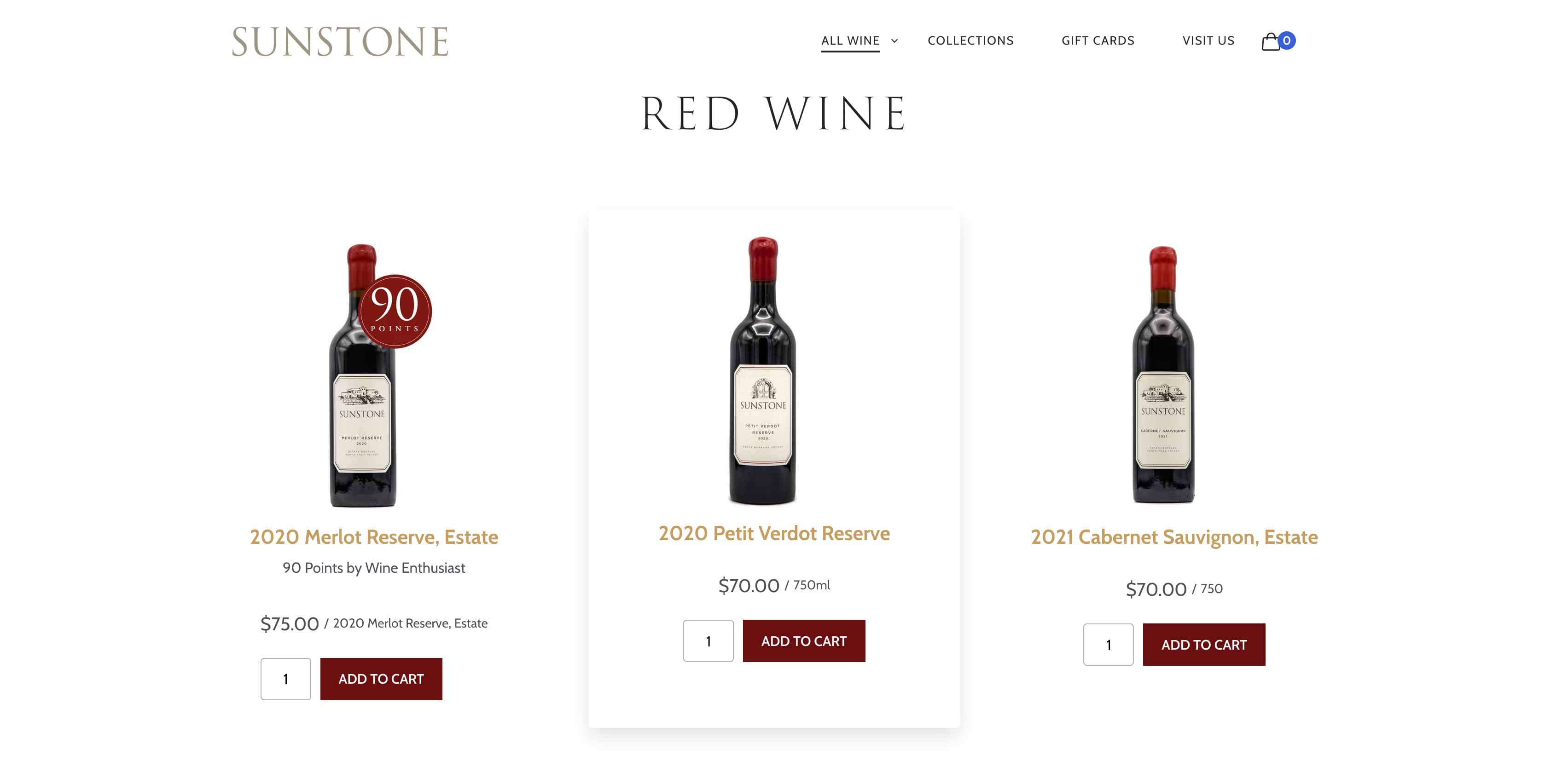
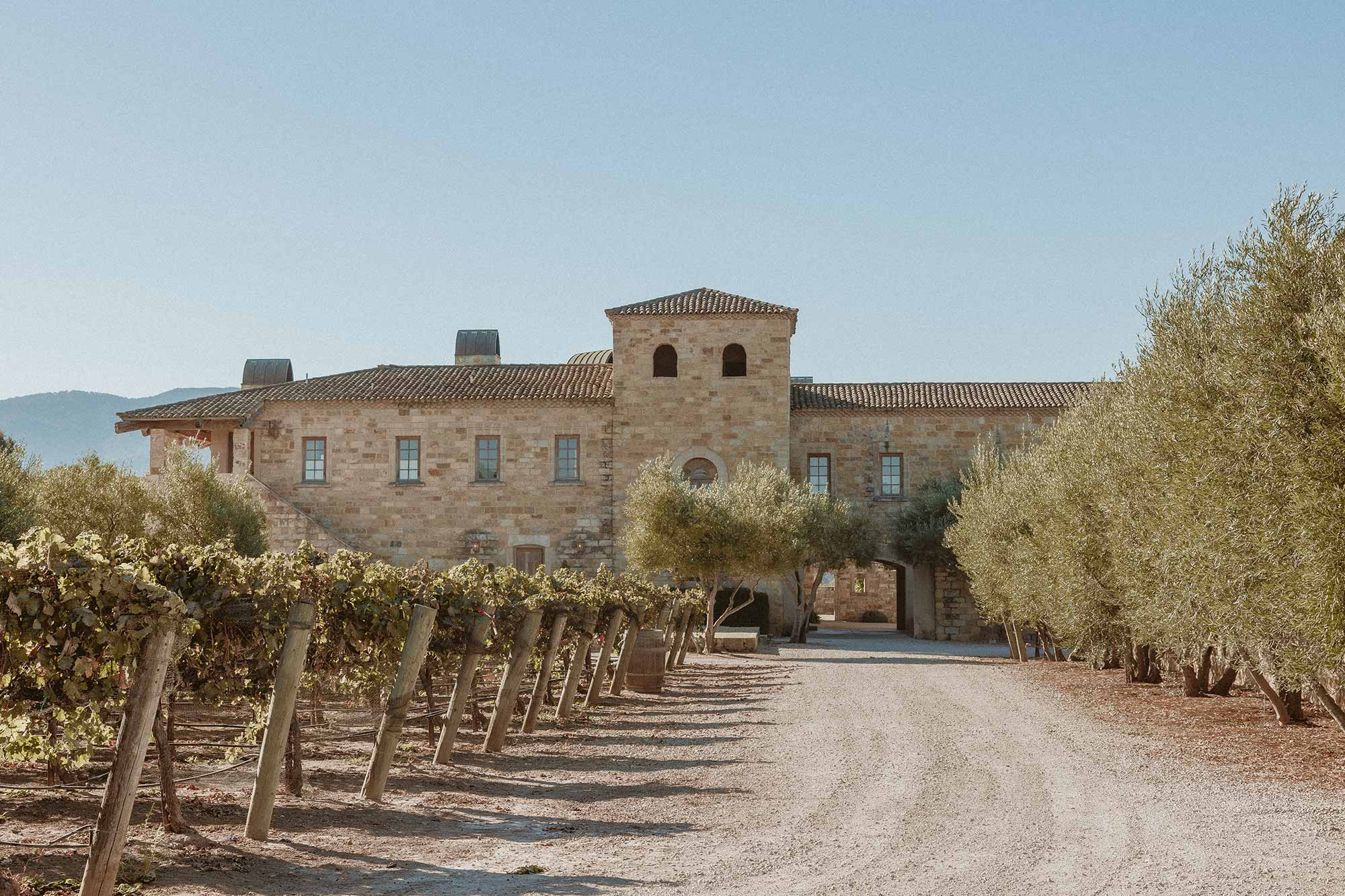
- Sunstoneestate winery, villa, and CPG launch, built end to end
- 2 to 3 weeksfrom kickoff to a live store, not a four-month agency timeline
The problem, in your numbers
top-quartile wineries grew while the bottom quartile shrank, in the same market
SVB State of the US Wine Industry, 2026of winery revenue now comes through DTC, not distribution
SVB State of the US Wine Industry, 2026of club members cancel within their first year
SVB State of the US Wine Industry, 2026Tasting room traffic is not coming back to make up the difference. The read from SVB is that the winners built a digital front door and kept it warm all year. That is a marketing problem, and marketing problems are fixable.
What the report found
SVB named the gaps between the two quartiles. Every one of them lives on your website, in your store, or in your outbox.
- 01
Passive tasting room dependency
Revenue waits for someone to drive out to you. Nothing sells while the tasting room is closed.
- 02
Sporadic digital presence
A site that was good in 2019, a social account that posts at harvest and goes quiet, no reason to come back.
- 03
No consistent brand positioning
The label, the site, and the club page each say something different. Premium pricing needs one story told the same way everywhere.
- 04
No monthly customer touchpoints
Members hear from you when a shipment bills. That is the moment they remember they can cancel.
- 05
Weak product imagery
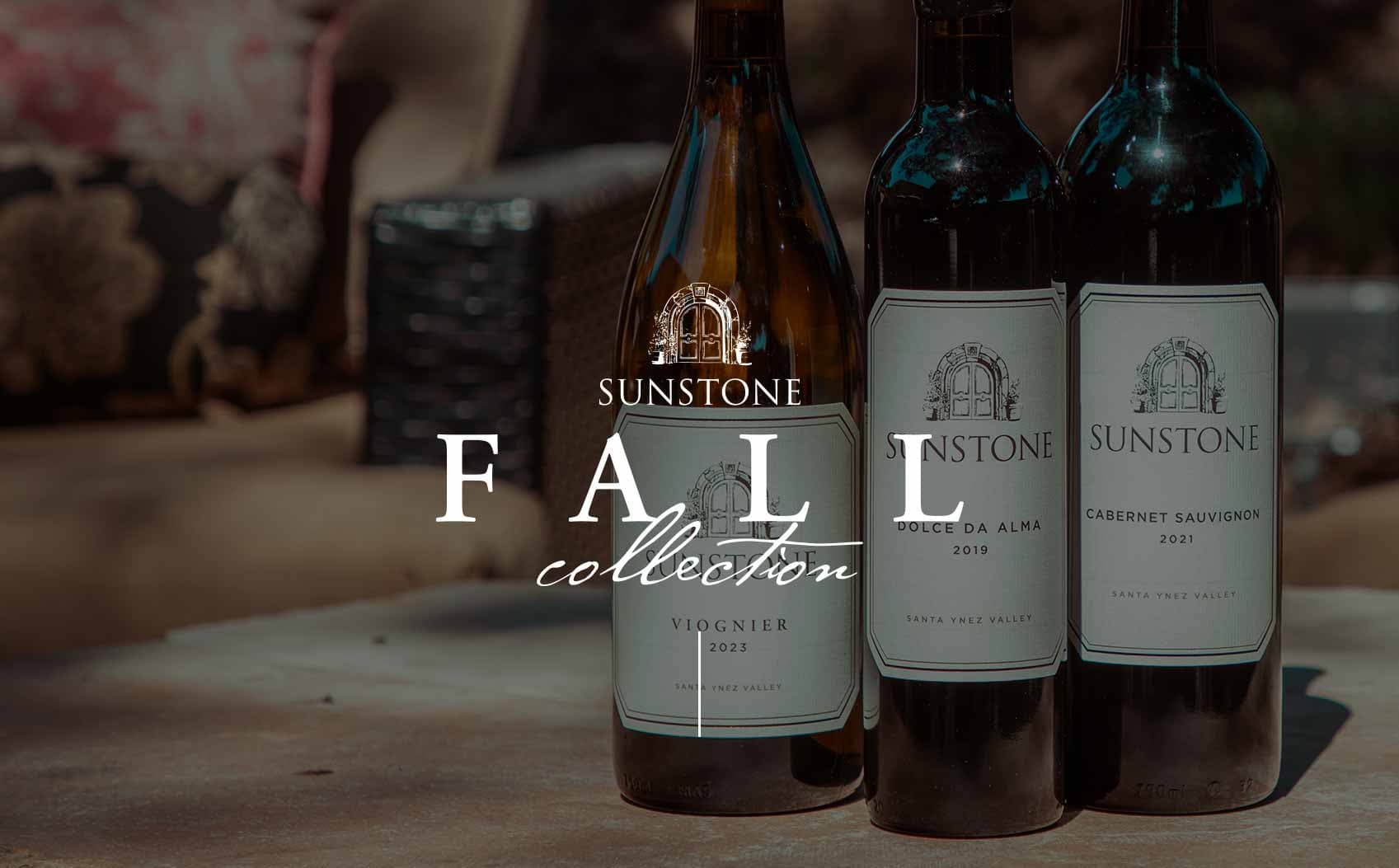
SVB calls professional imagery essential infrastructure for premium pricing. A $75 bottle shot on a gray background sells like a $22 bottle.
WineDirect to Commerce7 migration
Commerce7 acquired WineDirect, so every winery on the platform has to move. Most will take the default template, lose the design they paid for, and quietly lose SEO and club billing continuity along with it. That migration is the cheapest excuse you will ever get to rebuild the front end properly. I do the move and the redesign in the same pass, so you pay for one project instead of two.
What you get
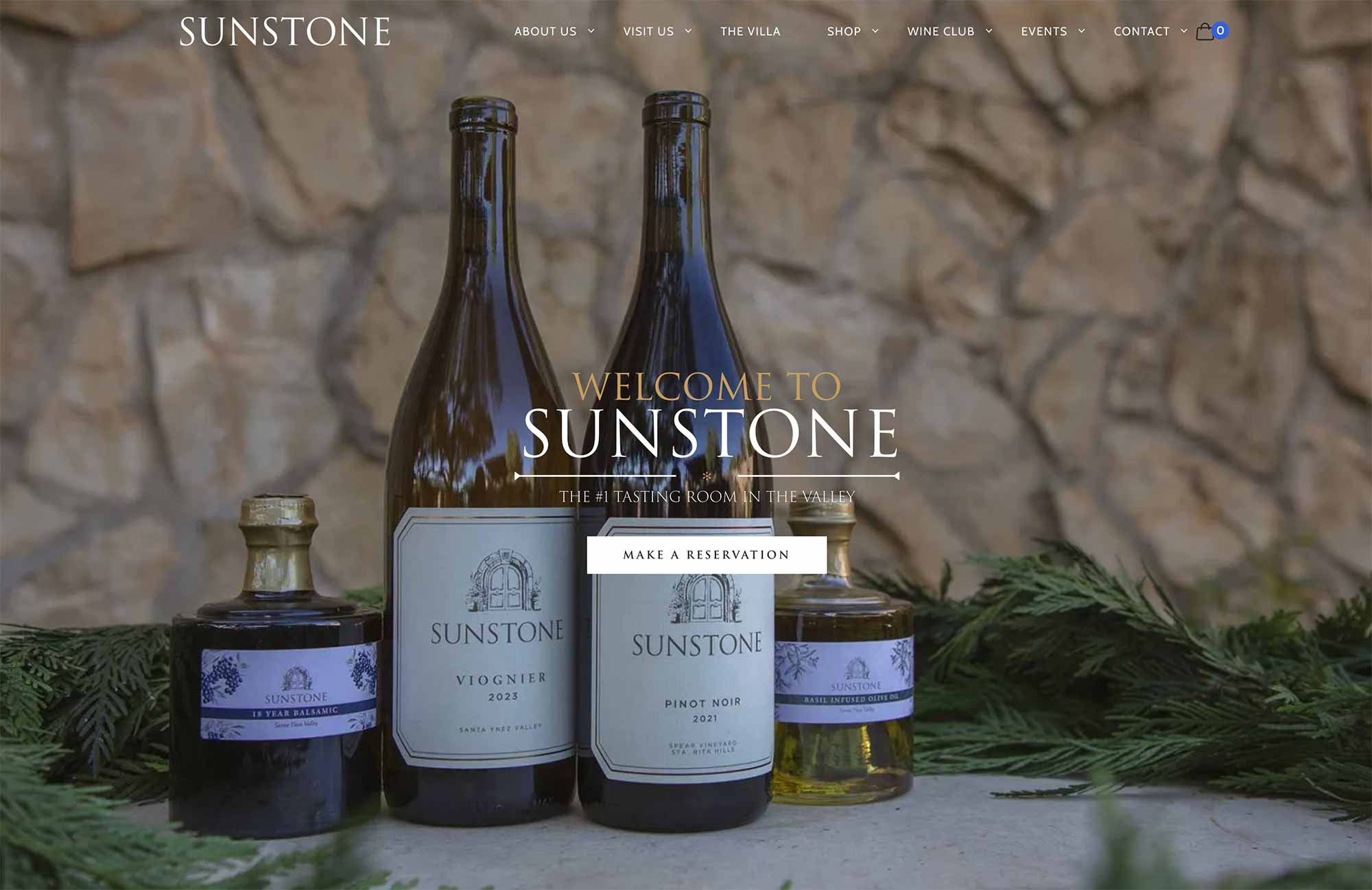
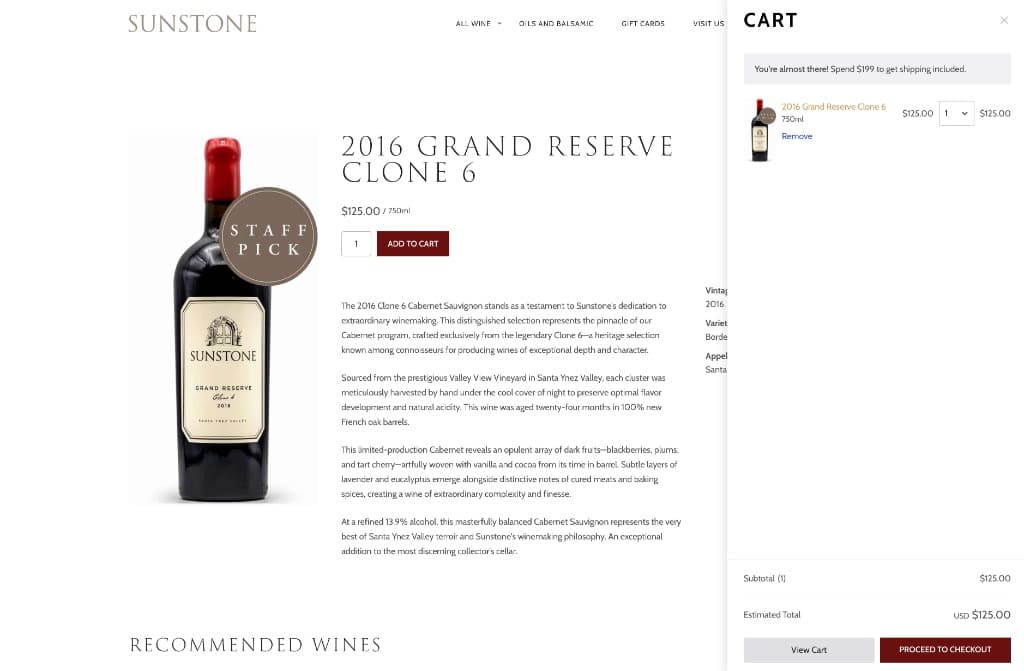
Built for Sunstone California: the site, the store, the club flow, the emails, and the photography that holds the price up. Yours is built the same way, around your positioning.
A site that looks like the wine costs what it costs
Positioning first, template never. The visit, the estate, and the story land before anyone gets to a price.
A store people can actually buy from
Clean product pages, real imagery, and a checkout that does not lose people between the bottle and the cart.
Emails that go out whether or not you get to it
A welcome sequence, a pre-shipment story, and a win-back. Members hear from you between billing dates, which is the whole difference in that 40 percent cancellation number.
Product imagery that carries premium pricing
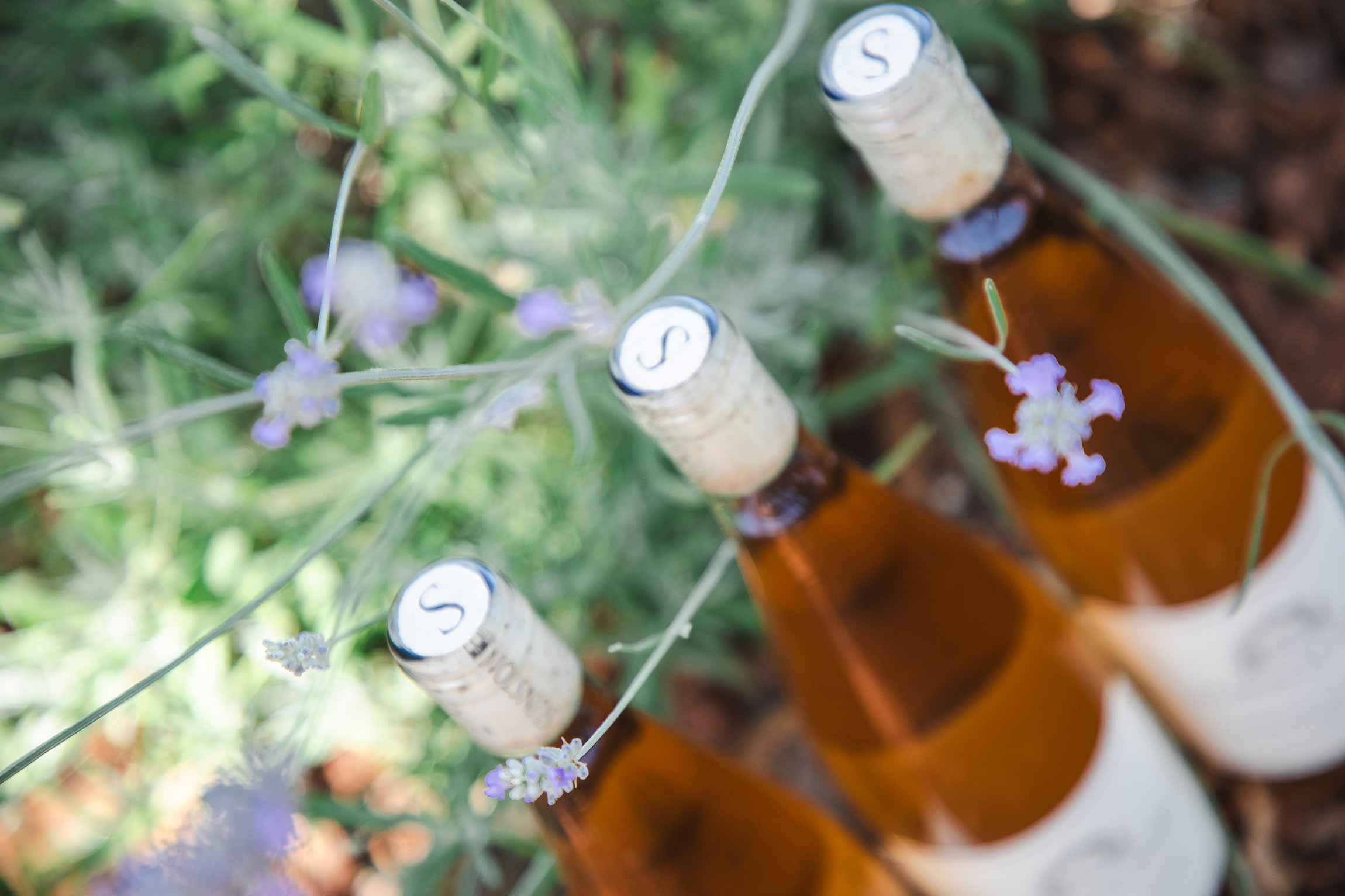
Art-directed bottle and product shots for your core SKUs. SVB calls this essential infrastructure, and a gray-background bottle shot sells like a $22 bottle.
The Winery DTC Sprint: website, ecommerce, club, and email
Two ways to work with me. The Sprint builds the machine. The Pulse keeps it running. Most wineries start with the Sprint and decide about the Pulse at the 30-day check-in.
The Sprint
Fixed scope, fixed timeline. I rebuild the things that decide whether a visitor becomes a member, and whether a member stays one.
- Full website redesign, built around your positioning instead of a stock winery template
- Ecommerce rebuild on Commerce7 or Shopify, including WineDirect migration if you're on it
- Club signup and checkout: clear tiers, fewer steps, fewer drop-offs
- A 6-email member journey: welcome, pre-shipment story, and win-back
- Social templates and a starter month of assets so the account stops going quiet
- Art-directed product imagery for your core SKUs
- A one-page brand and voice sheet so everything after this still sounds like you
DTC Pulse
The monthly touchpoint engine the top quartile has and the bottom quartile doesn't. Fixed kit, same dates every month, no scope negotiation. I cap this at a handful of wineries so the work stays hands-on, with no annual contract and 30 days notice either way.
- 2 email campaigns a month: one release or story, one offer
- 8 social assets, art-directed, sized for the platforms you actually use
- 1 club or offer promo built to convert, not just to post
- Quarterly mini-refresh of the site so it never goes stale again
- A short monthly read on what moved and what I'd change next
Add-on, either tier: art-directed bottle and product imagery, priced per SKU or as a full portfolio of 12 to 20. A photo day costs more and gets you one set of angles.
Not sure it is worth the spend yet?
The teardown is free and yours to keep. You get a written read on your storefront, club flow, emails, and imagery, with what I would fix first and what it is costing you.
Why it takes weeks, not quarters
Sixteen years of luxury wine and hospitality branding, plus an AI-accelerated production workflow. Judgment comes from the sixteen years. Speed comes from the tooling. The agencies quoting four months are not doing better work, they are carrying more overhead and more handoffs. You get senior taste on an honest timeline, and you work with me from teardown to delivery.
Wine country work
A few of the wine and hospitality brands I've built for.
How it works
- 01
Free teardown
Send your site. Within 3 business days you get a written breakdown of your storefront, club flow, and imagery, plus what I'd fix first and what it's costing you.
- 02
15-minute call
If the teardown lands, we talk scope and dates. No deck, no discovery phase billed by the hour.
- 03
The sprint
Two to three weeks. Site, store, club flow, emails, social kit, imagery. You review twice: mid-sprint and at delivery.
- 04
30-day check-in
A month after launch we look at the numbers together and decide whether the Pulse makes sense. Included either way.
Common questions
We're on WineDirect. How bad is the migration?
Manageable if you plan it, ugly if you don't. Club billing continuity, product data, and redirects are the three places it goes wrong. I handle the move and rebuild the storefront in the same sprint, so you're not paying twice or living on a default template.
What platforms do you cover?
Commerce7 and Shopify, plus WineDirect for migrations off it. If your store runs on something else, send it anyway. Most of what's leaking lives in the pages, the tiers, and the emails, not the platform.
Do you do the social, or just the templates?
Both, depending on tier. The Sprint gives you templates and a starter month so the account has runway. The Pulse means I produce 8 assets and 2 campaigns a month on a fixed schedule.
Is the product imagery photography or AI?
Art-directed either way, and I'll tell you exactly which is which on your project. The point is not the tool, it's that a creative director decides the light, the crop, and the scene instead of a template pipeline. You approve every shot.
We're mid-harvest. Is this a bad time?
No. The sprint needs about three hours of your time total: a kickoff call, one mid-sprint review, and a delivery walkthrough. Everything else is on me.
Who actually does the work?
I do. No juniors, no handoffs, no white-labeled freelancers. I take on a few wineries at a time, around 20 hours a week. That's a real constraint, not a scarcity play, and it's why the work stays good.
What does it cost, and how does payment work?
It depends on your SKU count and whether you're migrating off WineDirect. Get in touch and I'll scope it and put a number in writing, and the free teardown is a good way to start that conversation. When you book, it's half to hold your sprint dates and half at delivery. The Pulse bills monthly. Simple invoice, no annual minimum.
What if we only want the teardown?
That's fine. The teardown is free and yours to keep. Plenty of them end with a to-do list you can hand to whoever does the work.
Get your free DTC teardown
Send your site. Within 3 business days you get a personal breakdown of your storefront, club flow, emails, and imagery, with what I'd fix first. No call required, no obligation.