
CPG branding in 2026: positioning a functional beverage for e-commerce success
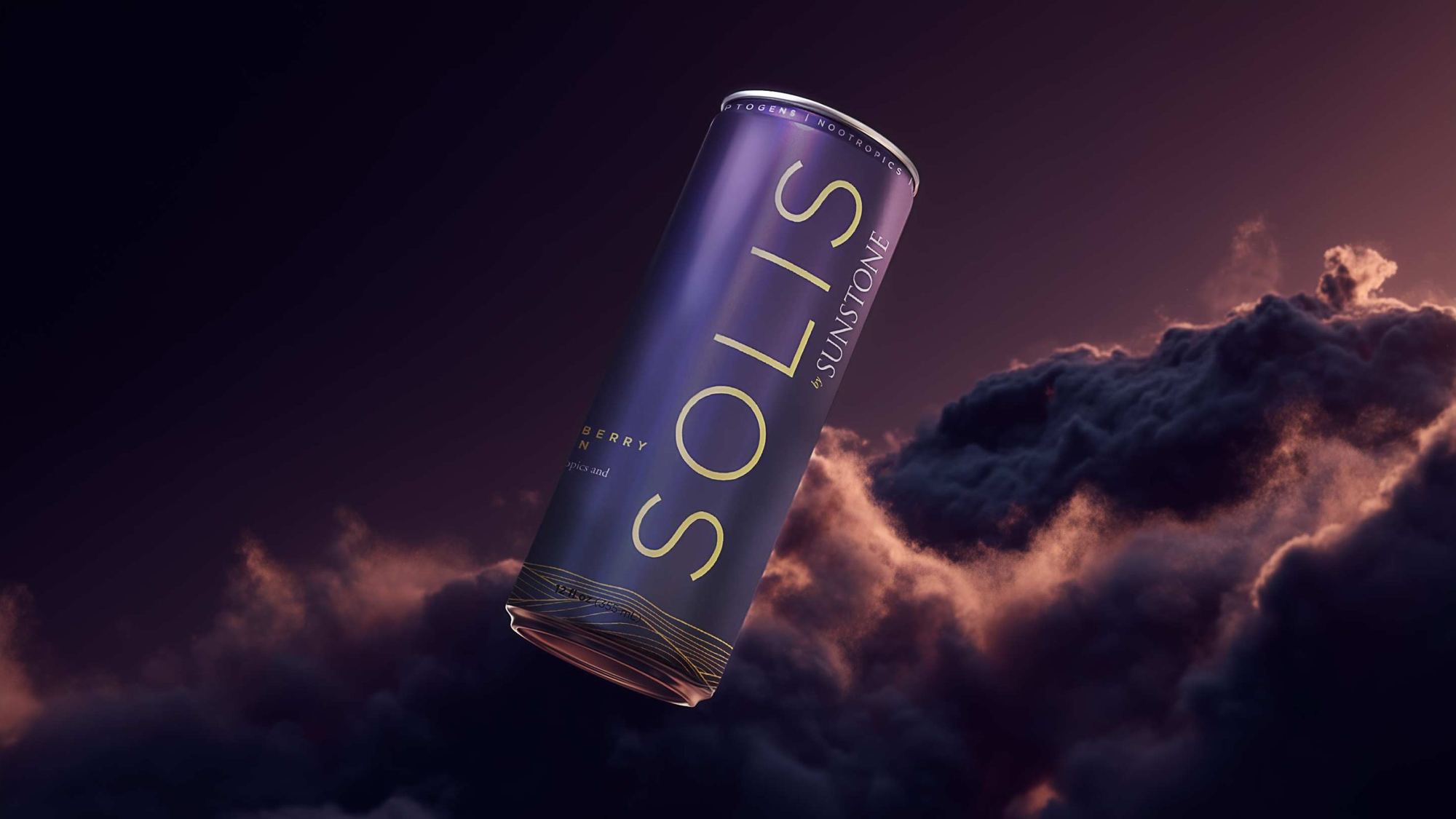
A functional beverage wins online by picking one benefit a person can feel, naming the moment it belongs to, and building the can, store, feed, and content around that single idea. Then keep claims inside what you can support, build the Shopify product page around the benefit, and set up Google Merchant Center before launch.
The functional beverage shelf is crowded, and "energy" is the most crowded word on it. Brands that win online in 2026 pick one benefit a person can feel, name the moment it belongs to, and build everything (can, store, feed, content) around that single idea. For the brand I helped build, that word was focus.
This is a walkthrough of the full sequence: positioning, identity and packaging, what you can and can't claim, Shopify structure, Google Merchant Center, and launch content. It is drawn from five years as Creative Director at Sunstone Brands, including work on the SOLIS line now sold at Sunstone California (opens in a new tab).
Why is 2026 the year of "focus"?
Two signals. FoodIngredientsFirst reports (opens in a new tab) that Innova Market Insights ranks "Beverages with Purpose" fourth in its top ten trends for 2026, with growth concentrated in clean-label, better-for-you formats including energy alternatives. And New Hope Network's 2026 Wellness Beverage Trends Guide (opens in a new tab) describes a "focus on focus" in brain-health drinks and sizes the functional category at $92 billion.
Bigger players are moving in. Market trackers note established brands launching mushroom-based sparkling waters aimed at daily cognitive performance. When a category fills up, a new brand can't win on ingredients alone. Everyone has lion's mane. Positioning is what is left.
How do you position a functional beverage?
Answer four questions in one sentence each.
- Who is it for? Not "health-conscious consumers." A person and a moment: someone at 2 p.m. with three hours of real work left who doesn't want a third coffee.
- What is the one benefit? Choose a single word you can own. Focus. Calm. Recovery. Not all three.
- What does it replace? Every drink displaces another. Name it: the afternoon cold brew, the energy drink, the glass of wine.
- Why believe it? Named ingredients at stated amounts, a reason for each, and honest language about what to expect.
"Energy" fails this test because it is generic, it invites comparison with the biggest brands in the aisle, and it carries associations (jitters, crash, sugar) that a premium brand is trying to escape. "Focus" is specific, it describes an outcome people want, and it suggests a ritual.
A principle I took from marketer Joe Chernov and wrote into the SOLIS guidelines: make the customer feel smart. Don't show off how clever the product is.
What makes the identity and packaging work?
A can has about two seconds on a shelf and the size of a thumbnail on a phone. Design for the thumbnail first.
- Hierarchy. Brand, benefit, flavor. In that order, readable at 100 pixels wide.
- Color as navigation. One color per flavor or function, held consistently across can, carton, product page, and ads.
- A front panel that says one thing. The benefit. Move the ingredient story to the side panel and the product page.
- Finish and feel. Matte versus gloss, a tactile varnish, a restrained palette. These signal premium before anyone reads a word.
- A system, not a can. Shipper box, four-pack carrier, shelf strip, sample card, and email header should come from the same kit.
For an estate brand like Sunstone, the beverage also had to sit comfortably beside a winery and a villa. Shared typography and a shared restraint let three very different products feel like one family.
What can you actually claim?
This is where many young brands get in trouble, so treat it as a design input. I am not a lawyer, and you should have a regulatory professional review your label and site. The working principles:
- Decide what the product is. In the US, a beverage is generally sold as a conventional food with a Nutrition Facts panel or as a dietary supplement with a Supplement Facts panel. The choice affects ingredients, labeling, and how you may describe it. Analysts note heightened scrutiny of that distinction (opens in a new tab) in 2025 and 2026.
- Stay with structure/function language. "Supports focus" is a different kind of statement from anything implying treatment or prevention of a condition. Never name a disease.
- Hold substantiation. Keep the evidence behind each claim on file.
- Use the required disclaimer where it applies. The Sunstone California site carries the standard note that its statements have not been evaluated by the FDA and the product is not intended to diagnose, treat, cure, or prevent any disease.
- Apply the same rules to ads, emails, and influencer posts. Regulators and ad platforms read all of it.
Write the claims boundary into the brand guidelines so every designer, copywriter, and AI tool works inside it.
How should the Shopify store be built?
The store has one hero, the product page.
- Above the fold: benefit headline, can, price, subscribe-and-save toggle, add to cart.
- How it feels and when to drink it. Two short lines.
- Ingredients with amounts and one sentence each on why it is there.
- What is not in it. Sugar, alcohol, artificial sweeteners, as applicable.
- Reviews that mention the benefit in the customer's words.
- FAQ. Caffeine content, daily limit, who should avoid it, shipping.
Around it:
- Subscriptions. Recurring revenue is the business model for a consumable.
- Bundles and a free-shipping threshold to lift order value.
- A store locator if you sell at retail or in tasting rooms.
- An education hub. Plain articles on each ingredient, linked from the product page. These are what search engines and AI assistants cite.
How do you set up Google Merchant Center?
Free listings and Shopping ads both run on your product feed, so the feed is a brand asset.
- Connect Shopify through the Google and YouTube app and verify your domain.
- Write titles for search: brand, product type, key attribute, flavor, size, count. "SOLIS Sparkling Focus Drink, Citrus, 12 oz, 12-Pack" beats a poetic name.
- Complete the identifiers. GTIN, brand, and the correct product category.
- Use clean images. Product on a plain background for the primary image, lifestyle images as additional.
- Match the feed to the page. Price, availability, and shipping must agree or the item gets disapproved.
- Keep health claims out of titles and descriptions. Google restricts unsupported health claims. Describe the product, not a medical outcome.
- Add product structured data and reviews on the site so listings can show ratings.
Check the diagnostics tab weekly for the first month. Most disapprovals are data mismatches, not policy problems.
What does launch content look like?
Build it as a system, not a calendar. One shoot and one ingredient explainer should produce the product page, three emails, a month of social posts, ad variations, and a retail sell sheet. I cover the method in A creative system beats a content calendar.
For AI visibility, publish direct answers to the questions people ask assistants: "What is the best drink for focus without caffeine jitters?" "Is lion's mane safe to drink daily?" Answer honestly, cite sources, and link to the product only where it fits. That is the AEO and GEO side of a CPG launch.
Where to start
Write the four positioning sentences. If you can't pick one benefit, you are not ready to design a can. If you can, the rest of the sequence follows in order: claims boundary, identity, packaging, store, feed, content.
I build CPG brands end to end, from positioning and packaging to the Shopify store and email and automation behind it. See Sunstone California (opens in a new tab) for a live example, then request a quote here.
Sources
Common questions
Why not position on energy?
It is the most contested claim in the aisle and it invites comparison with the largest brands. A specific benefit and occasion give a small brand room to stand apart.
Do I need a lawyer for beverage claims?
Yes, have a regulatory professional review your label and marketing. Design and copy should work inside the boundary they set.
Is Shopify enough for a beverage brand?
For direct-to-consumer, yes. Add a subscription app, a reviews app, and a clean Merchant Center feed. Wholesale and retail need their own tools.
How many SKUs should I launch with?
Fewer than you want. Two or three flavors of one function let you learn what sells before you spread inventory thin.
How long does a brand build take?
Positioning and identity take a few weeks. Packaging production and compliance review usually set the real timeline.
Related posts
From graphic design to agentic workflows: the new standard for small business marketing
What agentic AI means for a small business in 2026, how new agent tools change what one person can ship, and where taste still decides.
Why a creative system always beats a content calendar: one asset, every channel
How a modular marketing system turns one source asset into SEO, email, social, and AI visibility, and why the returns compound while posting resets.