
Beyond the tasting room: automating your wine club CRM for higher retention
Wine club retention is won in the first 90 days after signup and in the quiet months when a member stops opening email. Connect your commerce platform, Commerce7 or Shopify, to a marketing CRM like HubSpot, keep the data clean, and run five automated sequences that catch drift before it becomes a cancellation.
Most wineries treat retention as something that starts when a member cancels. By then it is over. Retention is won in the first 90 days after signup and in the quiet months when a member stops opening emails and stops buying between shipments. A connected CRM lets you see that drift and respond to it automatically, with messages that sound like your tasting room and not like a billing system.
You don't need enterprise software for this. You need your commerce platform (Commerce7 or Shopify), a marketing CRM (HubSpot is the one I use most), clean data flowing between them, and five automated sequences.
Why does retention matter more this year?
Two numbers frame it. Tasting rooms and wine clubs together make up roughly 53 percent of the average winery's sales (opens in a new tab), according to SVB data cited by vinSUITE. And the DtC shipping channel contracted in 2025 by the widest margins on record (opens in a new tab), per the 2026 Direct-to-Consumer Wine Shipping Report.
Fewer visitors means fewer new members. When acquisition slows, the members you already have are the business. Every member you keep for one more year is revenue you don't have to find at the tasting bar.
What does churn look like before the cancellation?
Cancellation reports document loss. They don't prevent it. The early signs are behavioral, and vinSUITE's churn research (opens in a new tab) describes them well:
- Email opens fall off.
- Purchases between shipments stop.
- The member skips or delays a shipment.
- A card fails and nobody follows up personally.
- Pickup members stop coming in.
Each of these is a data point your systems already hold. The problem is that they live in different places, and nobody is watching all of them.
How do you connect Commerce7 or Shopify to HubSpot?
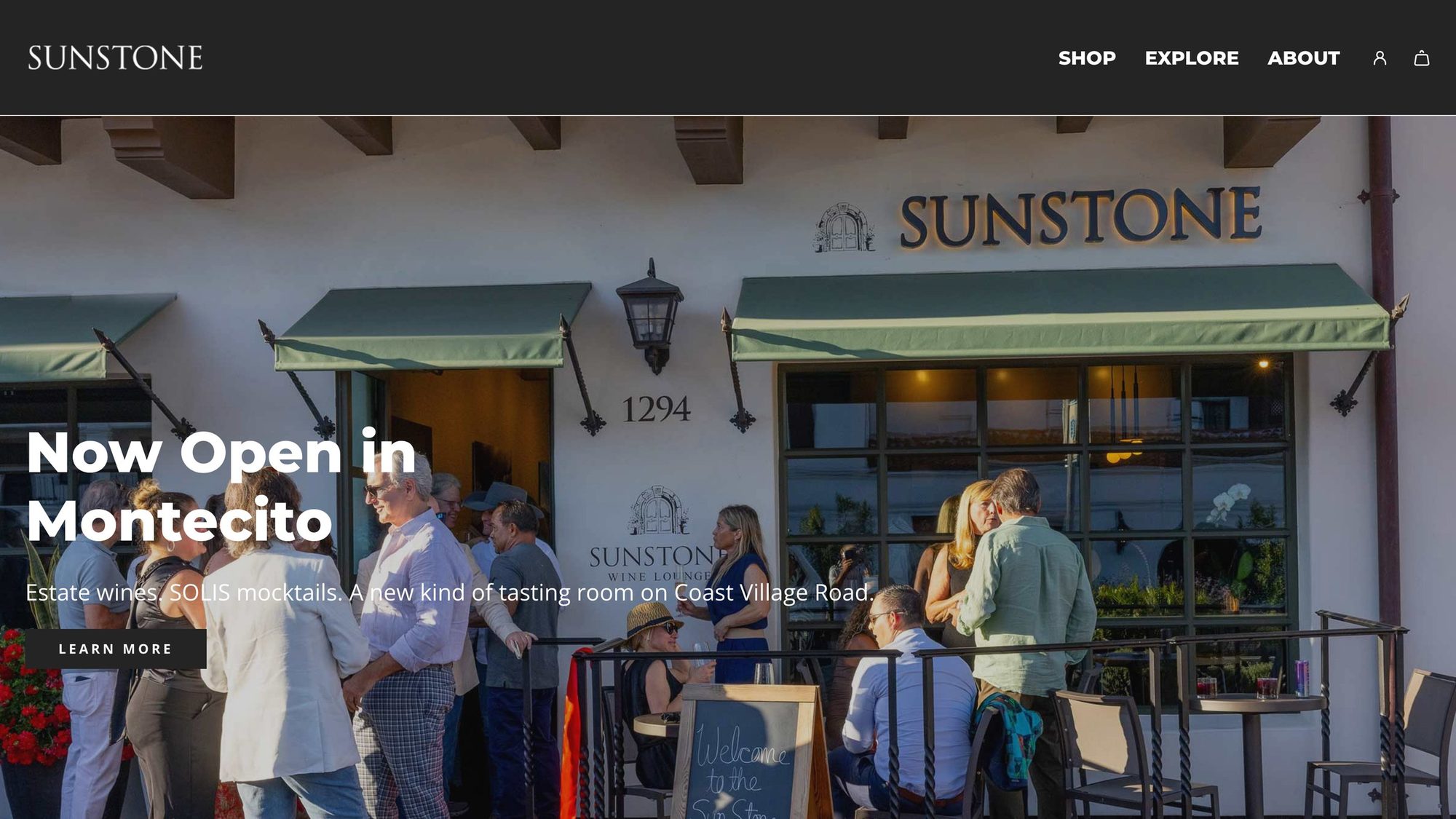
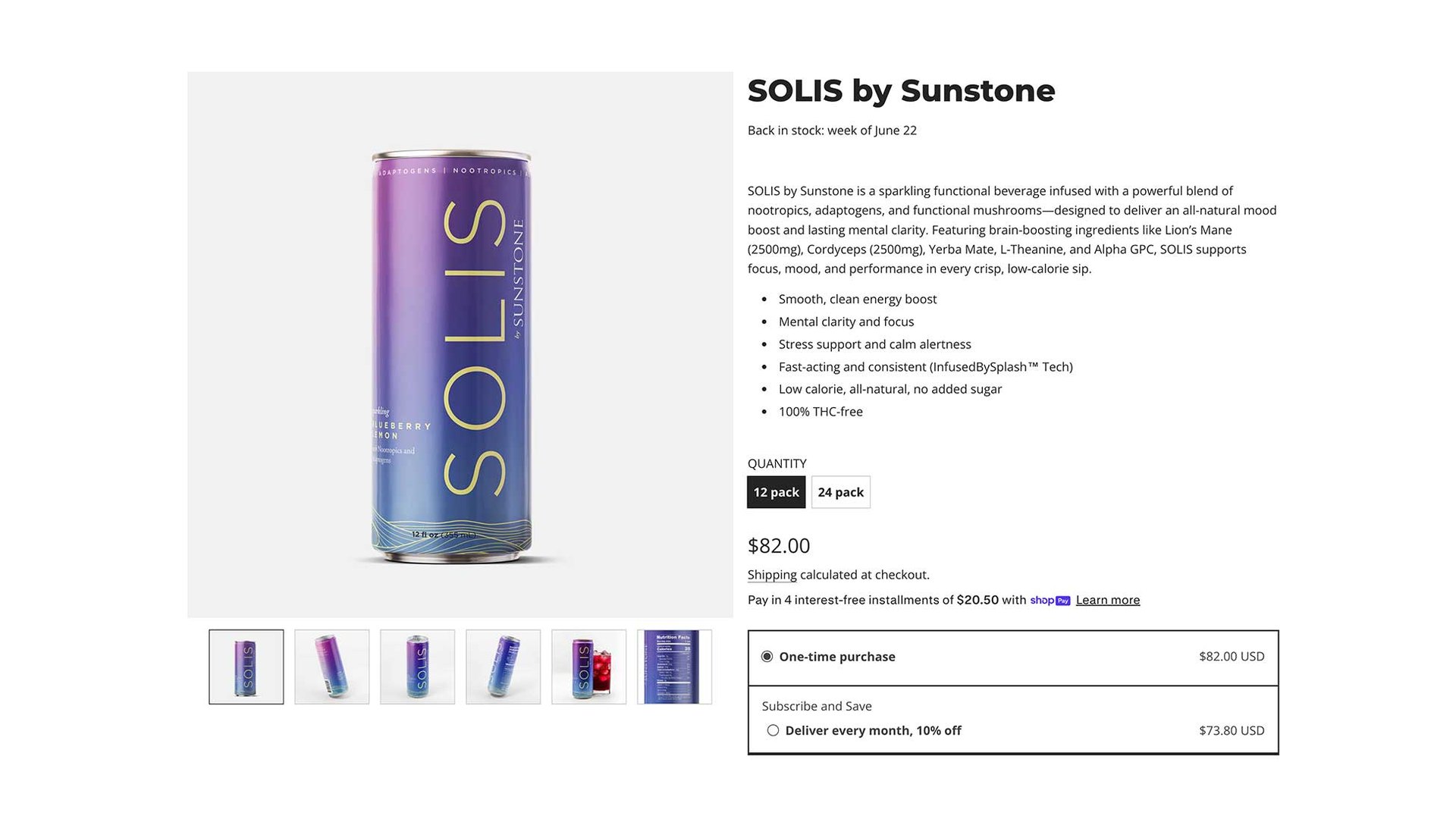
Shopify. HubSpot offers a native Shopify app. It syncs customers, orders, and products, and lets you build lists and workflows off purchase behavior. Shopify is the platform behind the Sunstone California (opens in a new tab) store I built for the Sunstone estate and the SOLIS functional beverage line, and the same pattern powers the guest list on SB Boat Charters (opens in a new tab): the business owns the customer record, so follow-up runs on its own data.
Commerce7. Commerce7 has its own CRM with tagging, segmentation, and a query builder, and for many small wineries that plus its built-in email tools is enough. If you want HubSpot's automation and reporting on top, I have not found an official native connector, so check Commerce7's current app directory first. Otherwise the practical routes are:
- A connector tool such as Zapier or Make for simple triggers (new member, order placed, club cancelled).
- A lightweight custom sync through the Commerce7 API and webhooks for full order and membership data.
Whichever route you take, decide which system is the source of truth for each field. Commerce platform owns orders, memberships, and payment status. HubSpot owns email engagement, lifecycle stage, and notes from your team.
The minimum fields to sync:
| Field | Why it matters |
|---|---|
| Club tier and join date | Drives onboarding and anniversary messages |
| Last order date and lifetime spend | Identifies your best members and your quiet ones |
| Shipment vs. pickup | Different communication needs |
| Last tasting room visit | The strongest retention signal you have |
| Payment status | Triggers recovery before the shipment fails |
| How they joined | Tasting room, website, event, or referral |
Which five automations do the most work?
1. Tasting room visitor follow-up. Capture an email at the bar, even for non-buyers. Within 24 hours, send a thank-you with the wines they tasted and one clear offer. A week later, send the club invitation. This is the conversion most wineries leave to chance.
2. New member onboarding (days 0 to 90). Welcome note from the owner or winemaker. What to expect and when. How to customize a shipment. An invitation to visit with a guest. The first shipment should never be the first thing a new member hears from you after signup.
3. Pre-shipment sequence. Three weeks out: what is coming and why you chose it. Two weeks out: customize or add on. One week out: confirm address and card. This reduces surprise charges, which are a common reason people leave.
4. Drift rescue. When a member has not opened in 60 days or has not purchased between two shipments, trigger a task for a real person plus a low-pressure email. "We have not seen you in a while. Here are two tickets to the next pickup party." High-value members get a phone call.
5. Failed-payment recovery. An immediate, friendly notice with a one-click update link, a reminder three days later, then a personal call before you give up. A declined card is not a cancellation. Treat it as a service moment.
What should you measure?
Keep the scoreboard short:
- 12-month retention by join cohort.
- First-year cancellation rate.
- Tasting room visitor to member conversion.
- Revenue per member between shipments.
- Failed-payment recovery rate.
Review it monthly. If one sequence is not moving its number after a quarter, rewrite it.
Where does AI help, and where does it not?
AI is useful for drafting sequence copy from your winemaker's notes, summarizing member history before a call, and flagging drift patterns in the data. It is not a substitute for the constraint layer: your voice, your approved facts, your claims boundaries. I wrote about that in A creative system beats a content calendar. Automation should make the member feel known. If it makes them feel processed, turn it off.
Where to start
- Export your member list and count how many have not purchased or opened in 90 days.
- Map which system holds each field in the table above.
- Build onboarding first. It has the fastest payoff.
- Add drift rescue second.
- Review numbers after one full shipment cycle.
I build this as part of the Winery DTC Sprint, which includes club signup, checkout, and a six-email member journey, and as ongoing CRM and email automation. If you want me to look at your current setup, request a quote here.
Sources
- vinSUITE, "How to Improve Wine Club Retention" (citing SVB 2026 State of the Wine Industry) (opens in a new tab)
- Sovos ShipCompliant, "New Approaches to Preventing Wine Club Churn" (opens in a new tab)
- vinSUITE, "Wine Club Churn: Spot At-Risk Members Before They Cancel" (opens in a new tab)
- SVB 2026 Direct-to-Consumer Wine Report (opens in a new tab)
Common questions
Does HubSpot integrate with Commerce7?
Commerce7 is built to connect to other tools through its API. I have not found an official native HubSpot app, so most setups use a connector like Zapier or Make, or a small custom integration. Check Commerce7's app directory for current options.
Is HubSpot overkill for a small winery?
Often, yes. If you have under a thousand members and one person handling marketing, Commerce7's built-in CRM and email may be enough. HubSpot earns its place when you want deeper automation, sales tasks for your team, or reporting across multiple brands.
What is a good wine club retention rate?
It varies by price point and club model, so compare against your own cohorts first. The useful question is whether this year's joiners are staying longer than last year's.
How soon will automation show results?
Onboarding and failed-payment recovery show up within one or two shipment cycles. Drift rescue takes longer to read because you are measuring cancellations that did not happen.
Will automated emails feel impersonal?
Only if they are written that way. Use real names, real wines, and a real reply-to address that someone answers.
Related posts
The winery DTC playbook: turning tasting room traffic into repeat online revenue
Most wineries treat the tasting room and the website as separate businesses. Here is how to connect them into one direct-to-consumer system.
WineDirect to Commerce7: a migration checklist that protects your club
A practical, sequenced checklist for moving a winery off WineDirect onto Commerce7 without breaking club billing, customer history, or SEO.