
The winery DTC playbook: turning tasting room traffic into repeat online revenue
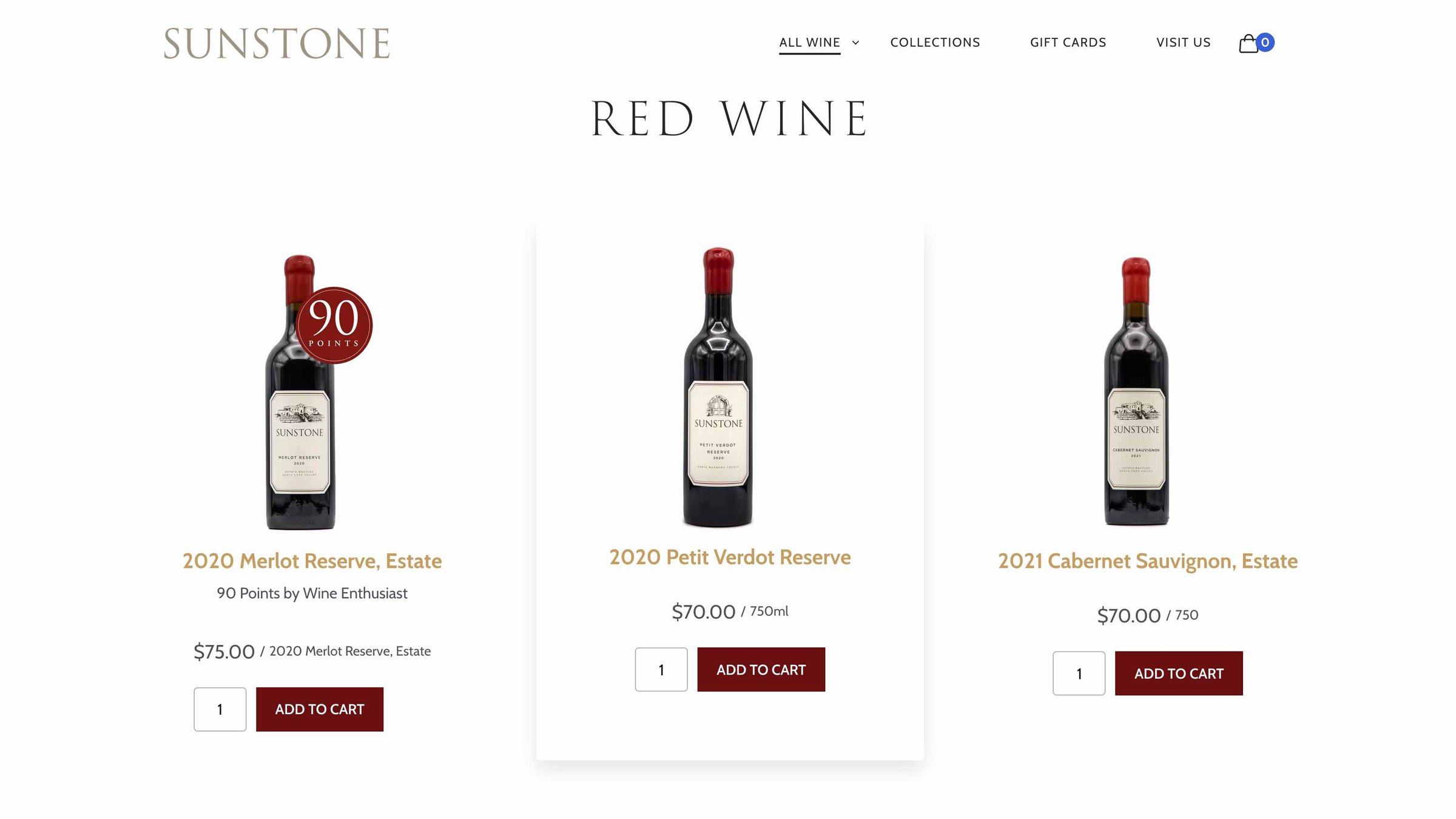
A winery DTC system connects four things that usually run separately: tasting room capture, the website, the club, and email. Visitors convert in the room, get captured with a reason to hand over an email, then receive a sequence that earns the second purchase online. Revenue comes from the second purchase, not the first.
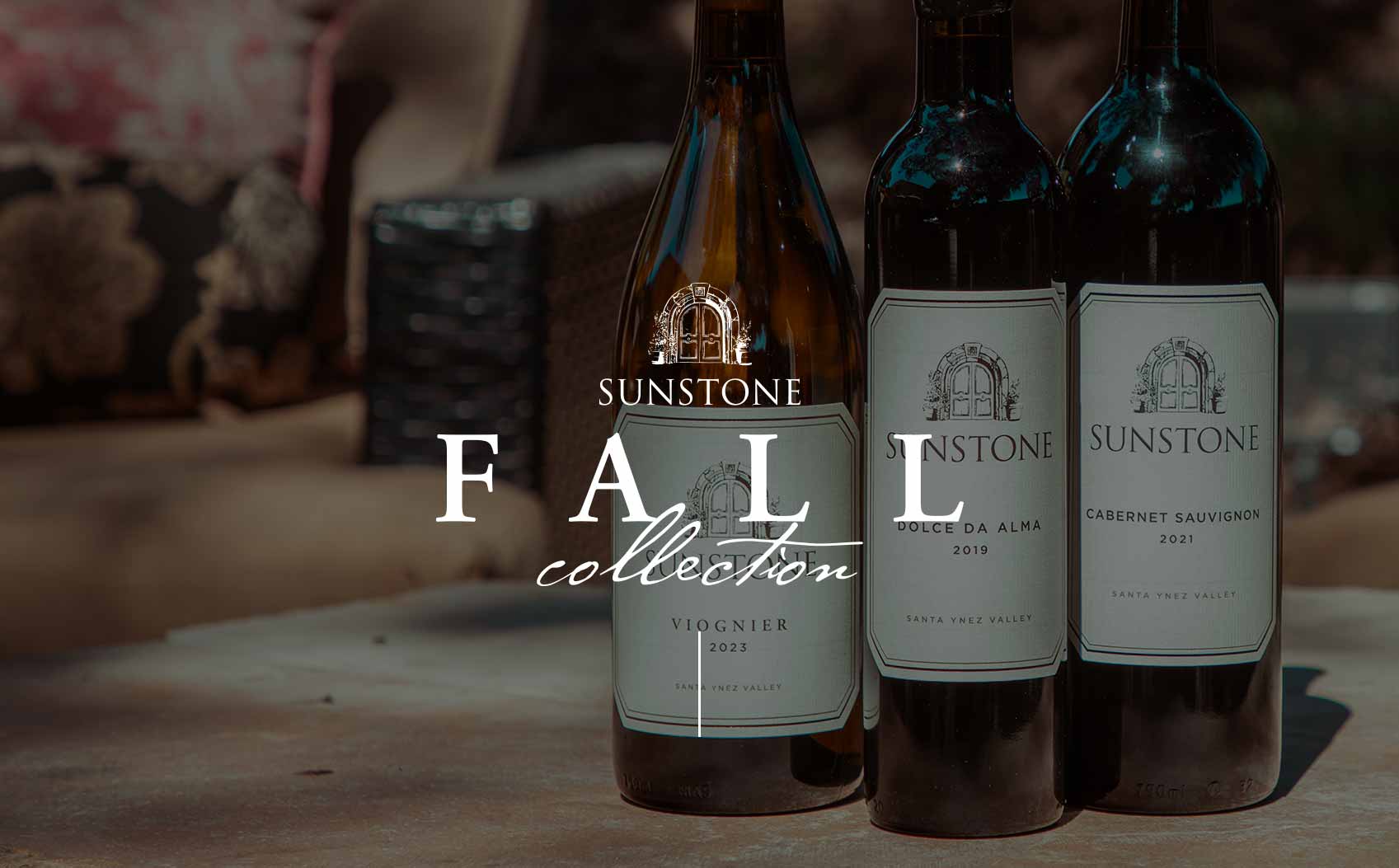
I spent five years as creative director at Sunstone, a family-run estate in Santa Ynez with a working winery, a private villa, and a tasting room in Montecito. In that time I watched a pattern repeat at nearly every winery on the Central Coast, including ones doing very well.
The tasting room is excellent. The staff know the wines, the setting does half the selling, and people leave happy with two bottles in a branded bag. Then nothing happens. Six months later that guest could not tell you the name of the estate they visited, and the website that was supposed to catch them has been sitting there quietly converting almost nobody.
This is not a marketing problem. It is a wiring problem. The tasting room and the website are being run as two separate businesses that happen to share a logo.
Why does a busy tasting room not produce online sales?
Because the tasting room sells an experience and the website sells a product, and nothing connects the two.
A guest at a tasting is in an unusual state. They are relaxed, they are being taught something, they like the person pouring, and they are surrounded by evidence that this place is real. Buying two bottles at that moment is not really a purchase decision. It is a souvenir of an afternoon.
Three weeks later, at home, that same person is a completely different customer. The setting is gone, the staff member is gone, and what remains is a bottle they liked and no particular reason to act. If the only thing standing between them and a reorder is remembering your name and typing it into a search bar, you have lost most of them. Not because the wine was not good enough, but because nothing in your system did any work during those three weeks.
The winery that gets the reorder is almost never the one with the better wine. It is the one that stayed in the room.
What does a winery DTC system actually consist of?
Four components, and the value is in the connections between them rather than in any one of them:
- Capture. A reason for a guest to hand over an email address at the moment they are most willing to.
- The site. A storefront that makes reordering trivial and joining obvious.
- The follow-up. A sequence that arrives before the memory of the visit fades.
- The recurring mechanism. Usually a club, sometimes an allocation list, always something that creates a second purchase occasion without requiring a new decision each time.
Most wineries have all four of these in some form. What they do not have is any of them talking to each other. The tasting room collects names on paper that get typed into a spreadsheet nobody opens. The website runs on a platform the marketing person cannot edit. The emails go out when someone remembers. The club has a signup form three clicks deep.
Each individual piece looks fine in isolation. The system does not exist.
How do you capture emails without ruining the tasting?
You attach the ask to something the guest already wants, and you never make it the last thing that happens.
The version that fails is the clipboard at checkout: "Want to join our mailing list?" That question arrives when the guest is reaching for their wallet, it offers them nothing, and it sounds like work. The honest answer to it is no.
What works is giving the email a job the guest actually cares about:
- The tasting notes. They just spent an hour learning about six wines. Nobody remembers six wines. Offering to send the notes is a genuine service and the guest knows it.
- A hold on something. If they liked a wine that is nearly gone, offering to tell them when the next vintage lands is a real reason to stay in touch.
- The order itself. If you ship the bottles rather than handing them over, you get the email as a byproduct of a transaction they already wanted.
The mechanical part matters as much as the framing. If a staff member has to type an address into a tablet while a queue forms behind the guest, capture rates collapse on a busy Saturday, which is exactly when your best traffic is there. Whatever you build has to survive the busiest hour of your week, because that hour is worth more than the rest of the month.
What should the first thirty days after a visit look like?
This is the highest-leverage sequence a winery owns, and it is the one most often left empty.
The guest is warmest the week after the visit and cools steadily from there. A reasonable shape:
| Timing | Message | Job it does |
|---|---|---|
| Within 48 hours | The tasting notes you promised | Keeps the promise, proves the emails are worth opening |
| Around day 7 | Something about the place, not the product | Rebuilds the memory of the visit |
| Around day 14 | The wine they actually bought, and what to do with it | Makes the bottle at home feel considered |
| Around day 21 to 30 | The reorder or the club, once and clearly | Asks, having earned the right to |
Notice that three of the four messages sell nothing. That ratio is not generosity, it is arithmetic. An unsubscribed guest is worth zero forever, and the fastest way to get unsubscribed is to make every email an ask.
Notice also that the sequence is triggered by a visit rather than sent on a calendar. A guest who came in March should get the same sequence in March that a guest in September gets in September. Most winery email programs are broadcast-only, which means a visitor's most valuable month happens in silence while they wait for the next newsletter blast.
Where does the wine club actually fit?
A club is a mechanism for creating repeat purchases without requiring a new decision each time. That is the entire function. It is not a loyalty badge and it is not a goal in itself.
Which means the interesting question is not "how do we get more club signups." It is "how do we create a second purchase occasion," and a club is only the best answer at certain volumes.
For a producer with enough allocation to support quarterly shipments, a club is hard to beat. For a small producer whose wine sells out anyway, a club can be an obligation that makes every release harder. Allocation lists, library releases, and well-run seasonal email do similar work with less commitment on both sides.
The failure mode I have seen most often is a club designed around what is convenient for the winery: three shipments a year on the winery's schedule, tiers that reflect internal inventory logic, and a cancellation process that requires a phone call. That last one is worth being blunt about. Making it hard to leave does not retain members. It converts people who would have paused into people who resent you, and resentment is much harder to sell to later than a lapsed membership.
What does the website actually need to do?
Less than most winery websites try to do, and the parts it does need are usually the parts that got the least attention.
The hard truth is that almost nobody arrives at a winery site to browse. They arrive to do one of four things: buy a wine they already know, plan a visit, join or manage a club, or check whether you ship to their state. Everything else on the page is decoration competing with those four jobs.
So the checklist is short:
- Reordering a known bottle takes two clicks from the homepage. Not a search, not a category tree.
- Shipping states are answerable before checkout. A guest discovering at the payment step that you cannot ship to them is a guest you have annoyed on the way to losing the sale.
- Club signup and club management are both easy to find. Management especially. An existing member who cannot update a credit card becomes a failed billing you have to chase.
- Visit planning is one page, and it is current. Wrong hours on a holiday weekend costs more than any design decision on the site.
- It works on a phone in a vineyard with two bars of signal. Much of your traffic is exactly that.
Photography and story matter, but they matter in service of those jobs. A beautiful site where a member cannot find the club login is a beautiful site that generates support calls.
How do you know whether it is working?
Track the share of DTC revenue that comes from repeat rather than first-time buyers.
Total DTC revenue is the number everyone watches, and it is the least useful one for this purpose because it moves with tasting room foot traffic, which moves with weather, tourism, and events you do not control. A great summer can hide a system that produces no second purchases at all.
Repeat share is different. It is close to a pure measure of whether the system is doing its job, because it goes up only when someone who already bought from you decides to buy again. Alongside it, two supporting numbers:
- Capture rate: the percentage of tasting room guests whose email you end up with. This is the top of everything else and it is usually measurable within a week of trying.
- Time to second purchase: how long it takes a first-time buyer to buy again, and what percentage never do.
That gap is the part worth sitting with. The wineries pulling away are not, for the most part, making better wine than the ones contracting. They are converting the same afternoon into a longer relationship.
Where to start
If you are looking at all of this and wondering which piece to touch first, the answer is almost always capture, then the follow-up sequence, and only then the site.
That order is unintuitive because the site is the thing you look at every day and the thing that most obviously needs work. But redesigning a storefront that receives no warm traffic is expensive decoration. Fixing capture increases the audience for everything downstream, including the site you have not redesigned yet, and it is the cheapest of the three to change.
Then build the thirty-day sequence, because it is the piece that converts a visit into a customer and almost nobody has one.
Then rebuild the site, at which point you will actually know what it needs to do, because you will have a month of data about what people are trying to do on it.
If you want a second pair of eyes on where yours is leaking, that is what the Winery DTC Sprint teardown is for. And if you are on WineDirect and have been putting off a move, the Commerce7 migration checklist covers the part everyone underestimates.
Common questions
What counts as winery DTC?
Direct-to-consumer covers every channel where the winery sells to the drinker without a distributor: the tasting room, the wine club, the ecommerce site, phone and email orders, and events. The tasting room is usually the largest single channel, which is why disconnecting it from the website is so expensive.
How much of a winery's revenue should come from DTC?
It varies enormously by size and location. Small producers on a wine trail often run DTC-dominant because distribution is not worth the margin loss. The useful internal question is not what share DTC represents, but what share of DTC revenue is repeat rather than first-time, since repeat is the part a system can actually move.
Do I need a wine club to do DTC well?
No, but you need something that creates a second purchase occasion. A club is the most common mechanism because it is recurring by default. Allocation lists, library releases, and well-run seasonal email can do similar work for producers whose volume does not support a club.
What is the first thing to fix if the tasting room is busy but online sales are flat?
Email capture at the point of the tasting, and the sequence that follows it. If a guest leaves without giving you a way to reach them, every downstream tactic is working on a smaller audience than it should be. Fix capture before touching the storefront design.
Related posts
WineDirect to Commerce7: a migration checklist that protects your club
A practical, sequenced checklist for moving a winery off WineDirect onto Commerce7 without breaking club billing, customer history, or SEO.

A creative system beats a content calendar
Content calendars answer what to post. Creative systems answer how the work gets made. Only one of them survives contact with a busy quarter.