
AEO vs. SEO: how Santa Barbara wineries get recommended by AI trip planners in 2026
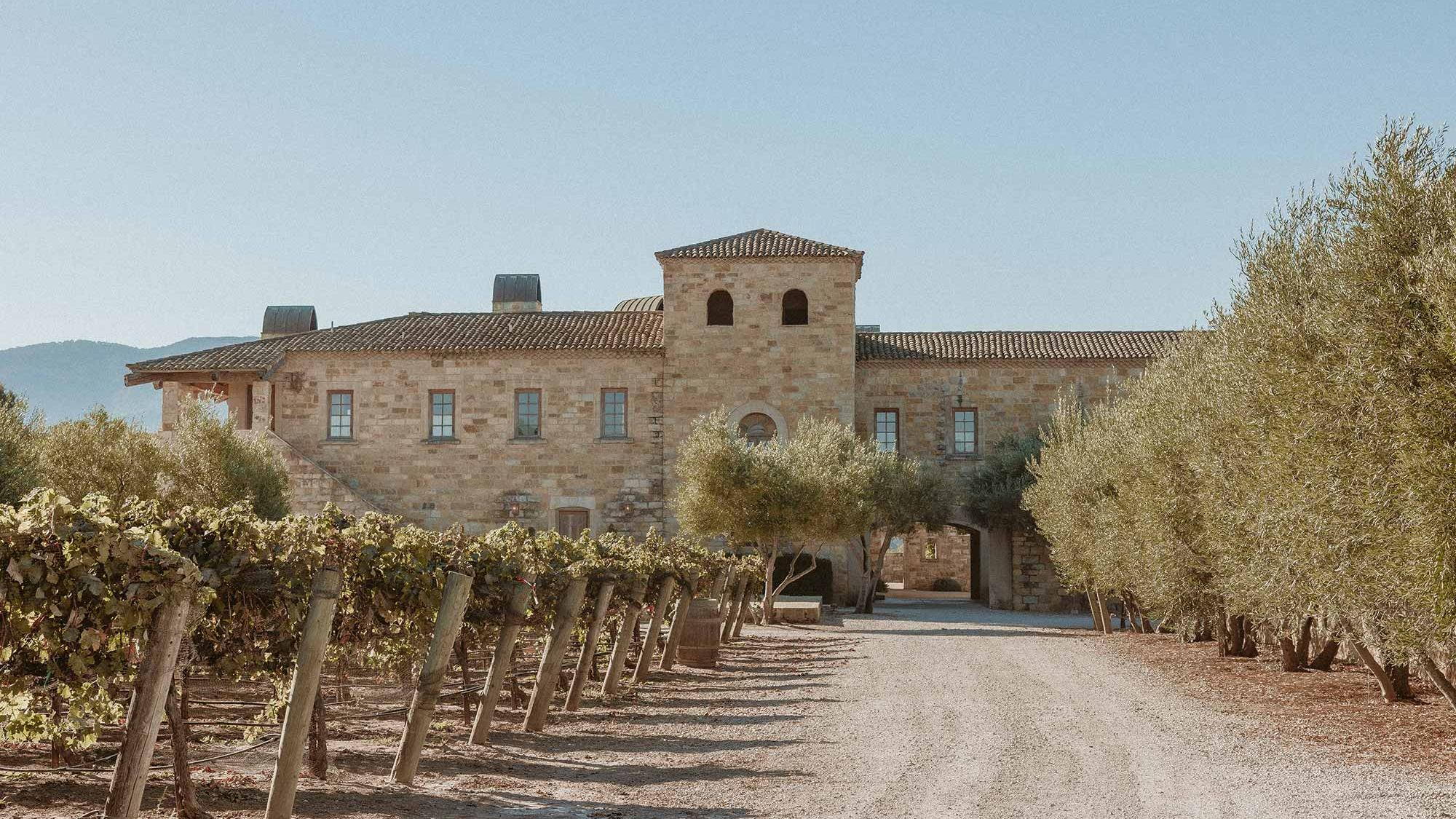
SEO gets your winery onto a list of links. AEO, answer engine optimization, gets it named inside the answer when someone asks ChatGPT or Gemini to plan a wine day. Assistants recommend what they can verify, so hours, tasting fees, and reservation rules need to be plain text on your own site and match every listing.
SEO gets your winery onto a list of links. AEO, short for answer engine optimization, gets your winery named inside the answer. When a couple in Los Angeles types "plan a Saturday in the Santa Ynez Valley with three tastings and lunch" into ChatGPT or Gemini, they don't get ten blue links. They get an itinerary with three or four wineries in it. If your hours, tasting fees, and reservation policy are buried in a PDF, an Instagram highlight, or a booking widget, the assistant can't confirm them, so it recommends someone it can.
You still need SEO. AEO sits on top of it. The work is mostly about stating plain facts in plain text, in the places machines read.
How are visitors actually planning Santa Ynez trips now?
The behavior shift is measurable. Longwoods International's American Travel Sentiment study (opens in a new tab) found that among travelers who used AI, 54 percent used it to find attractions and activities and 42 percent used it to find dining. A TakeUp consumer survey covered by Hotel Management (opens in a new tab) found that travelers who try AI planning tend to keep using it: 63 percent of users rely on it for most or every trip.
Trust is still conditional. Global Rescue's September 2026 survey (opens in a new tab) found a quarter of travelers don't trust AI travel information at all. That matters for you, because it means people click through to verify. The assistant shortlists you, then your website has to confirm what the assistant said. If the two disagree, you lose the visit.
A wine day is close to the perfect AI query. It has constraints (drive time from Los Olivos to Sta. Rita Hills, a lunch stop, a designated driver, a dog, a group of eight) and the assistant's job is to assemble options that fit. Wineries with clear, checkable facts fit. Wineries with vague pages don't.
What is the real difference between SEO and AEO?
| SEO | AEO | |
|---|---|---|
| Goal | Rank a page for a search | Be named in the answer |
| Unit of work | Pages and keywords | Facts and entities |
| What wins | Relevance, links, speed | Clarity, consistency, corroboration |
| Typical query | "wineries near Solvang" | "Which Santa Ynez wineries take walk-ins on Sunday and allow dogs?" |
| How you measure | Rankings, clicks | Mentions in AI answers, branded search, direct bookings |
The honest version: AEO is not a replacement. Assistants lean heavily on the same web that Google indexes. A slow site with thin pages fails at both.
What facts does an AI assistant need from a winery?
Write each of these as a sentence on your own site, not only inside a reservation tool:
- Hours by day, including seasonal changes and last seating.
- Tasting options and fees, with what is included and whether the fee is waived with a purchase or for club members.
- Reservation policy. Required, recommended, or walk-ins welcome. Say it in those words.
- Group size limits and how to book a group.
- Kids, dogs, and outside food. Yes or no, with conditions.
- Accessibility and parking, including whether buses and limos are allowed.
- Food. Whether you serve it, and the nearest lunch if you don't.
- Location in plain language. "Ten minutes from Los Olivos, forty from downtown Santa Barbara."
- What you are known for. Varietals, farming practices, the view, the cave, the picnic lawn.
Then build an FAQ page that answers the questions people actually type. "Do I need a reservation?" "How long does a tasting take?" "Can I bring my dog?" One question, one direct answer in the first sentence, detail after.
What structured data should a winery add?
Schema is machine-readable labeling. For a winery, the practical set is:
- Winery or LocalBusiness with name, address, phone, geo coordinates, and opening hours.
- FAQPage on your visit and FAQ pages.
- Product or Offer for tasting experiences with price.
- Event for release parties, harvest dinners, and pickup weekends.
- Review and AggregateRating where you display real reviews.
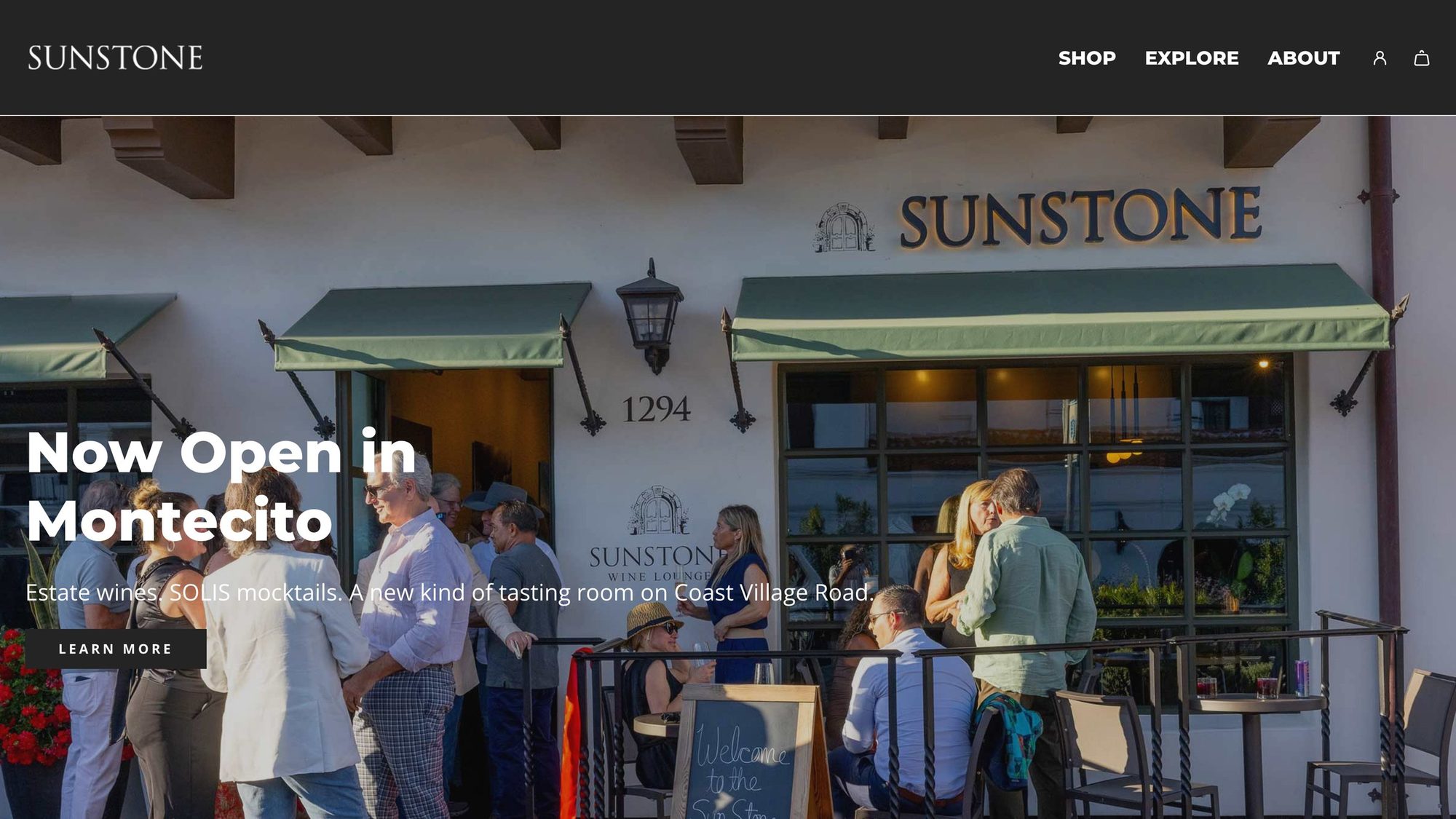
I added this layer to SB Boat Charters (opens in a new tab), a charter site I built with its own booking engine. Trip types, starting prices, the meeting point, and the cancellation policy all sit in the page HTML with structured data behind them. A winery visit page should work the same way. For a wine-country example of product, story, and purchase living on one site, see the Sunstone California (opens in a new tab) store I built for the Sunstone estate and its SOLIS beverage line.
Where else does the information need to match?
Assistants cross-check. If your site says walk-ins are welcome and your Google Business Profile says "appointment required," the safe move for the model is to skip you. Audit these quarterly:
- Google Business Profile (hours, attributes, reservation link, photos).
- Yelp and Tripadvisor.
- Your AVA and regional association listings.
- Your reservation platform profile.
- Your own footer, contact page, and visit page.
Reviews matter here too. Specific reviews ("great for groups," "dog friendly patio") are the corroboration assistants quote.
How do you know if it is working?
There is no perfect dashboard yet, and the same question asked twice can return different wineries. So measure a pattern, not a single answer:
- Once a month, ask ChatGPT, Gemini, and Perplexity the ten questions a visitor would ask. Record who gets named.
- Watch branded search and direct traffic in Search Console and Analytics.
- Add "How did you hear about us?" with an "AI assistant" option to your reservation form.
- Track referral traffic from chatgpt.com, perplexity.ai, and gemini.google.com.
Where to start
- Ask three assistants to plan a Santa Ynez wine day and see whether you appear.
- Rewrite your visit page so every fact above is a sentence in the HTML.
- Add LocalBusiness and FAQ schema.
- Fix every mismatch across your listings.
- Repeat the test in 60 days.
If you want a second set of eyes, I run a written AI visibility review for wineries and hospitality businesses as part of my SEO, AEO, and GEO work. It pairs well with a Winery DTC Sprint if the site itself is the bottleneck. Request a quote here.
Sources
Common questions
Is AEO different from GEO?
In practice they overlap. AEO usually refers to being the direct answer. GEO, generative engine optimization, refers to being cited or recommended by generative AI tools. The work is the same: clear facts, structured data, and consistent listings.
Does AEO replace SEO for wineries?
No. Assistants draw on the indexed web. A fast, well-structured site with good local SEO is the foundation.
How long does it take to show up in AI answers?
Fixes to your own site and Google Business Profile can be picked up within weeks. Being recommended consistently takes longer and depends on reviews and third-party mentions.
Do I need to publish a blog?
Not to start. A complete visit page, an FAQ, and accurate listings do more than weekly posts. Add articles once the basics are right.
Can a small winery compete with the big names?
Yes, on specific questions. Large wineries win generic queries. Small producers win "quiet tasting with the winemaker" or "dog friendly patio near Los Olivos" when their pages say so clearly.
Related posts
The true cost of a slow restaurant website (and how boutique hotels lose bookings the same way)
Slow pages, PDF menus, and clunky mobile layouts cost Santa Barbara restaurants and boutique hotels real reservations. How to measure the loss and fix it.
Beyond the tasting room: automating your wine club CRM for higher retention
Connect Commerce7 or Shopify to HubSpot, spot wine club members drifting toward cancellation, and automate the five sequences that keep them.