
The true cost of a slow restaurant website (and how boutique hotels lose bookings the same way)
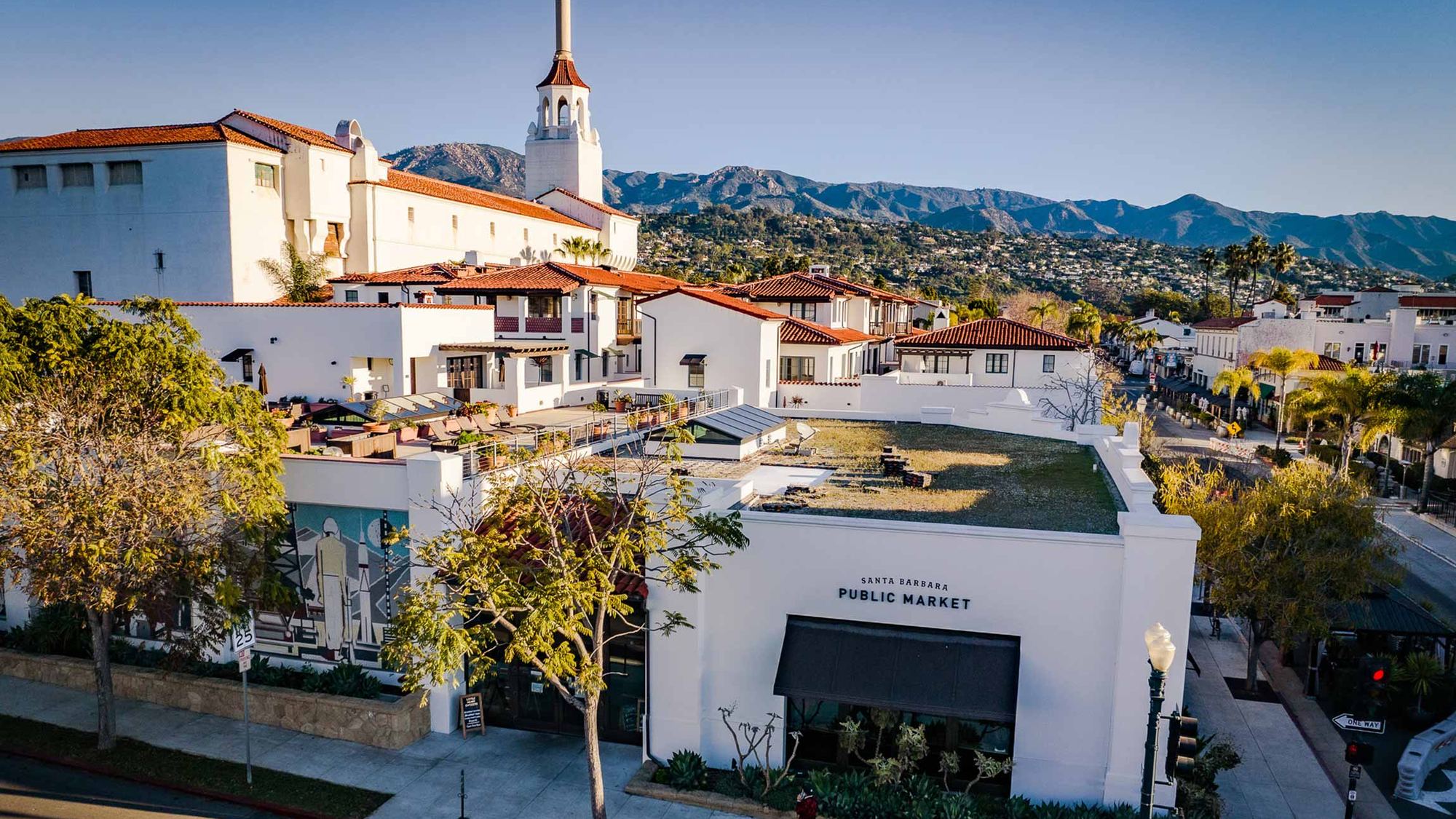
A slow restaurant website loses reservations quietly. Guests on a phone leave when the page takes seconds to load, the menu is a PDF, or the reserve button is buried. Boutique hotels lose bookings the same way, plus an OTA commission. Measure seconds to menu, taps to reserve, and mobile PageSpeed, then fix the worst first.
A restaurant website has one job: get a hungry person on a phone to a table. Most of them fail at it quietly. The page takes six seconds to load on cellular, the menu is a PDF from last spring, and the reservation button is at the bottom. Nobody complains. They just pick the place next door.
Boutique hotels lose the same guest in the same way, except the price of the lost booking is higher and an online travel agency collects a commission when the guest books there instead.
How much does a slow site actually cost?
Start with behavior. Webtonic's 2026 food service statistics (opens in a new tab) report that mobile makes up 78.4 percent of restaurant website traffic and that 62.5 percent of visitors bounce. The same roundup estimates that restaurant sites lose 40 to 60 percent of mobile visitors before they ever see the menu.
Now do your own math. It is more persuasive than any benchmark:
| Input | Example |
|---|---|
| Monthly website visits | 4,000 |
| Share that leave before the menu loads | 40% (1,600 people) |
| Share of those who would have booked | 5% (80 covers lost to friction) |
| Average check per cover | $55 |
| Monthly revenue left on the table | $4,400 |
Those inputs are illustrative. Swap in your own from Google Analytics and your POS. Even with conservative numbers, a slow site usually costs more per month than fixing it costs once.
What are the usual culprits?
I see the same six problems on almost every hospitality site I audit in Santa Barbara, from State Street to Coast Village Road:
- Huge hero images and autoplay video. A 6 MB photo of the dining room looks great on the owner's desktop and stalls on a phone in the Funk Zone.
- PDF menus. They have to download, they need pinch-zoom, and search engines treat them as a second-class document. When a dish or price changes, nobody updates the file.
- Stacked third-party widgets. Reservation, ordering, gift card, review, chat, and pop-up scripts each add load time.
- Template bloat. Page builders ship code for features you never use.
- No clear action above the fold. Reserve, order, call, and directions should be reachable with a thumb before any scrolling.
- Stale facts. Holiday hours, a closed patio, an old phone number. Wrong information is worse than slow information.
How do you test it in ten minutes?
- Turn off Wi-Fi. Open your site on your phone using cellular data.
- Count the seconds until you can read the menu.
- Try to book a table for four on Friday. Count the taps.
- Run the homepage through Google's PageSpeed Insights and note the mobile score and Largest Contentful Paint.
- Search "[your restaurant] menu" and see what Google shows.
Google's guidance treats a Largest Contentful Paint of 2.5 seconds or less as good. If your number is far above that, you have found your leak.
How do you fix it?
This week
- Compress and resize every image. Serve modern formats.
- Replace the PDF with an HTML menu. Text, prices, dietary notes.
- Put Reserve, Order, Call, and Directions in a fixed bar on mobile.
- Remove any script you can't name a purpose for.
- Correct hours everywhere, including Google Business Profile.
This month
- Add Restaurant and Menu structured data so Google and AI assistants can read your cuisine, price range, hours, and dishes.
- Load the reservation widget only when someone taps Reserve.
- Write a short FAQ: parking, corkage, private dining, dogs on the patio, gluten-free options.
- Set a monthly reminder to check the menu page against the printed menu.
The AI piece is no longer optional. In Longwoods International's July 2026 survey (opens in a new tab), 42 percent of travelers who used AI to plan a trip used it to find dining. An assistant can't recommend your tasting menu if the only copy of it is an image.
What does this have to do with boutique hotels?
Everything. A boutique hotel's website is fighting the online travel agencies for the same guest. Guides for independent properties put OTA commissions at 15 to 30 percent per booking (opens in a new tab), and one 2026 analysis found the all-in cost at a major OTA lands between 18 and 30 percent (opens in a new tab) once extras are counted.
Many travelers find a hotel on an OTA and then visit the hotel's own site before booking. That visit is your chance to win the booking directly. If your site loads slowly, hides the rate, or bounces the guest to a clunky third-party booking page, they go back to the OTA and you pay the commission.
Hotels with a restaurant have a double problem. The restaurant often lives on a buried subpage with no menu text, no hours, and no reservation link, so it is invisible to locals searching for dinner. Give the restaurant its own fast page, its own structured data, and its own Google Business Profile.
What does a fast hospitality site look like?
Three I have built in Santa Barbara, each with a different job:
- SB Boat Charters (opens in a new tab). Trip pages, live booking, and checkout on one site, with pricing that already includes fees so nothing surprises the guest at payment.
- Sunstone California (opens in a new tab). A Shopify store for an estate winery and its SOLIS beverage line, built so product, story, and purchase sit together.
- QCK Industries (opens in a new tab). A service business that also builds hospitality and restaurant projects. Different industry, same rule: phone number and estimate form within one thumb's reach.
The principle carries across all three. Put the facts in real HTML, make the next step obvious, and remove everything that slows the page down.
Where to start
Run the ten-minute test above and write down three numbers: seconds to menu, taps to reserve, mobile PageSpeed score. If you want a straight read on what is costing you covers or room nights, I review hospitality websites and local search visibility for Santa Barbara restaurants and boutique hotels. Request a quote here.
Sources
- Webtonic, Food Service & Catering Technical SEO Statistics 2026 (opens in a new tab)
- Longwoods International, American Travel Sentiment Wave 109 (July 2026) (opens in a new tab)
- eviivo, How To Increase Direct Bookings for Hotels (opens in a new tab)
- Prostay, Hotel Direct Booking Conversion: The 2026 Website Playbook (opens in a new tab)
Common questions
How fast should a restaurant website load?
Aim for the main content to appear in about two and a half seconds or less on a phone. Faster is better. Test on cellular, not office Wi-Fi.
Are PDF menus really that bad?
For mobile users and search, yes. Keep a printable PDF as a secondary download if you like, but the primary menu should be text on the page.
Do I need a new website or just fixes?
Often fixes. Image compression, an HTML menu, and removing unused scripts solve most speed problems. A rebuild makes sense when the template itself is the weight.
Will a faster site help me show up in AI answers?
Speed alone will not. Speed plus readable text, accurate hours, and structured data will, because assistants can only recommend what they can read.
How do boutique hotels reduce OTA dependence?
Keep OTAs for discovery and make your own site the better place to book: fast pages, clear rates, a simple booking flow, and a reason to book direct.
Related posts
AEO vs. SEO: how Santa Barbara wineries get recommended by AI trip planners in 2026
Visitors now ask ChatGPT and Gemini to plan a Santa Ynez wine day. How to state hours, fees, and reservation rules so AI assistants recommend you.
Beyond the tasting room: automating your wine club CRM for higher retention
Connect Commerce7 or Shopify to HubSpot, spot wine club members drifting toward cancellation, and automate the five sequences that keep them.